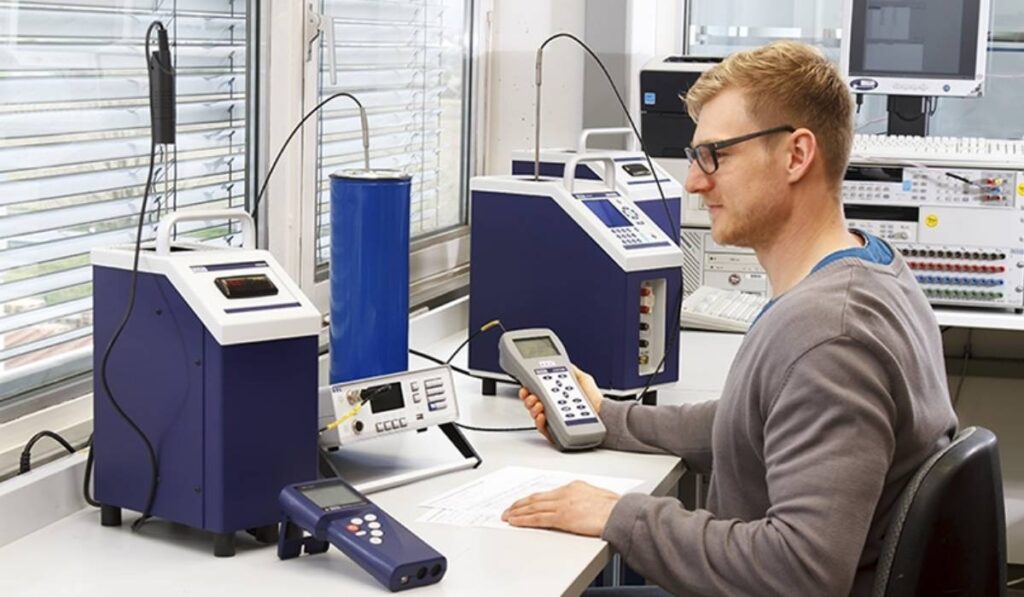
Kalibraatio: Making Every Measurement Count
kalibraatio, your go-to space for understanding how precision, accuracy, and trust are built into every measurement we rely on. Whether we’re talking about industries, laboratories, manufacturing, or even everyday tools, calibration sits quietly in the background making sure everything works exactly as expected.
We often don’t think about it, but almost everything around us depends on accurate measurement. From the temperature in a hospital incubator to the weight of packaged goods, from fuel pumps to scientific research—nothing functions properly without reliable data. And that’s where kalibraatio comes in.
Let’s break it down together in a simple, practical, and human way.
Quick Info
Here’s a quick overview to get us started:
- Keyword: Kalibraatio
- Meaning: The process of adjusting and verifying measurement instruments
- Purpose: Ensure accuracy, reliability, and consistency
- Used In: Manufacturing, healthcare, engineering, laboratories, aviation, and more
- Methods: Comparison with standards, adjustment, documentation
- Frequency: Regular intervals depending on usage and industry standards
- Importance: Prevents errors, ensures safety, maintains quality
Now let’s dive deeper.
Basics
At its core, kalibraatio simply means making sure a measuring device is giving the correct result. Think of it like this: if we use a weighing scale and it shows 1 kg when the actual weight is 900 grams, that’s a problem. Calibration fixes that.
We compare a device against a known standard. If there’s a difference, we adjust the instrument so it aligns with the correct value.
It’s not just about fixing things—it’s about verifying. Even if a device is accurate, we still need to prove it regularly.
Purpose
Why do we even bother with kalibraatio?
Because accuracy matters more than we realize.
Imagine a medical device giving slightly incorrect readings. Or a factory producing parts that are just a bit off in size. Small errors can lead to big consequences.
So when we calibrate, we are:
- Ensuring trust in measurements
- Reducing risks
- Maintaining product quality
- Meeting industry standards
In short, kalibraatio protects both businesses and people.
Process
The calibration process isn’t complicated, but it needs to be done carefully.
Here’s how we usually approach it:
Step 1: Comparison
We compare the instrument with a known reference standard. This standard is already verified and highly accurate.
Step 2: Measurement
We take readings from both the instrument and the standard.
Step 3: Analysis
We check if there’s any deviation between the two values.
Step 4: Adjustment
If needed, we adjust the instrument so it matches the standard.
Step 5: Documentation
We record everything—results, corrections, and dates. This is important for tracking and compliance.
That’s kalibraatio in action.
Types
Kalibraatio isn’t one-size-fits-all. Different tools require different methods.
Let’s look at some common types.
Electrical
Used for devices like multimeters, oscilloscopes, and voltage testers. Accuracy here is crucial for safety and performance.
Mechanical
Applies to tools like calipers, micrometers, and pressure gauges. Even a tiny error can affect production quality.
Thermal
Used for thermometers and temperature sensors. Important in industries like food processing and healthcare.
Dimensional
Focuses on length, width, height, and volume measurements. Widely used in manufacturing.
Time
Yes, even time needs calibration. Devices like clocks and timers must stay accurate, especially in scientific and industrial settings.
Tools
To perform kalibraatio, we need the right tools.
These include:
- Reference standards
- Calibration weights
- Signal generators
- Temperature baths
- Calibration software
These tools are more accurate than the devices we are testing, which is why we rely on them.
Standards
Calibration isn’t random. It follows strict international standards.
These standards ensure consistency across different industries and countries.
Some key principles include:
- Traceability (linking measurements back to a recognized standard)
- Repeatability (getting the same result multiple times)
- Accuracy (closeness to the true value)
When we follow standards, we ensure that measurements are trusted everywhere.
Frequency
How often should we calibrate?
That depends.
Some instruments need calibration monthly, others yearly. It depends on:
- Usage frequency
- Environmental conditions
- Industry requirements
- Manufacturer recommendations
For example, a heavily used industrial tool may need frequent calibration, while a rarely used device may not.
The key is consistency. Regular kalibraatio prevents problems before they start.
Industries
Kalibraatio plays a role in almost every industry.
Let’s explore a few.
Manufacturing
Precision is everything. Even small measurement errors can lead to defective products.
Healthcare
Accurate readings can save lives. Medical devices must be perfectly calibrated.
Aviation
Safety depends on precise measurements. Instruments must be reliable at all times.
Energy
From fuel measurements to electricity, calibration ensures efficiency and fairness.
Laboratories
Scientific research depends on accurate data. Calibration is non-negotiable.
Benefits
When we implement proper kalibraatio, we gain a lot.
Accuracy
We get correct measurements every time.
Reliability
We can trust our tools and systems.
Quality
Products meet standards and expectations.
Compliance
We meet legal and industry requirements.
Cost Savings
We avoid costly errors and rework.
It’s an investment that pays off in the long run.
Challenges
Of course, kalibraatio isn’t always easy.
Some common challenges include:
- Cost of calibration equipment
- Downtime during calibration
- Lack of skilled personnel
- Environmental factors affecting measurements
But these challenges are manageable with proper planning and systems.
Documentation
One of the most overlooked parts of kalibraatio is documentation.
Every calibration should be recorded.
Why?
Because it provides:
- Proof of compliance
- History of instrument performance
- Data for audits
- Insight for future maintenance
Without documentation, calibration loses its value.
Automation
Technology is changing how we approach kalibraatio.
Today, many processes are automated.
Software systems can:
- Track calibration schedules
- Store records
- Send reminders
- Analyze performance trends
Automation saves time and reduces human error.
Calibration vs Adjustment
These two terms are often confused.
Let’s clear it up.
- Calibration: Checking and comparing measurements
- Adjustment: Correcting the device if needed
Calibration doesn’t always mean adjustment. Sometimes a device is already accurate.
Everyday Examples
Kalibraatio isn’t just for industries. We see it in daily life too.
Think about:
- A weighing scale at a grocery store
- A thermometer at home
- A fuel pump at a gas station
All of these rely on calibration to give correct readings.
So even if we don’t notice it, kalibraatio affects us every day.
Importance
Let’s be honest—without calibration, things fall apart.
Measurements become unreliable. Systems fail. Trust is lost.
Kalibraatio ensures that everything works as expected. It’s the foundation of quality and safety.
It’s not just a technical process—it’s a responsibility.
Future
The future of kalibraatio looks exciting.
We are seeing:
- Smart sensors that self-calibrate
- AI-driven calibration systems
- Remote calibration technologies
- Real-time monitoring
As technology evolves, calibration will become faster, smarter, and more efficient.
But the goal remains the same: accuracy and reliability.
Best Practices
If we want to get the most out of kalibraatio, we should follow some best practices.
- Schedule regular calibration
- Use certified standards
- Train personnel properly
- Maintain proper records
- Monitor environmental conditions
These simple steps make a big difference.
Conclusion
Kalibraatio may not be something we think about every day, but it plays a huge role in everything we do.
From ensuring product quality to protecting human lives, it quietly keeps the world running smoothly.
When we focus on accurate measurement, we build trust. When we build trust, we create better systems, better products, and better outcomes.
So the next time we use a device or rely on a measurement, we can appreciate the unseen process behind it—kalibraatio.
Keep an eye for more latest news & updates on Investor Weekly News!