What To Expect From Machine Movers During Equipment Transport
Understanding Industrial Equipment Moving Services
Heavy equipment transport requires careful planning, specialised machinery, and experienced professionals to ensure valuable equipment is moved safely and efficiently. Businesses across manufacturing, construction, warehousing, and engineering industries often rely on industrial movers and professional machine movers to relocate equipment between facilities, worksites, or production areas.
Unlike standard freight transport, machine moving involves handling oversized, sensitive, and high-value equipment that may require dismantling, lifting systems, custom transport solutions, and precision placement.
Understanding what to expect during the process can help businesses prepare for a smoother and safer equipment relocation.
What Industrial Movers Do
Role Of Industrial Movers
Industrial movers specialise in relocating heavy machinery, factory equipment, and industrial systems. Their work often includes:
- Equipment dismantling and reassembly
- Heavy lifting and rigging
- Transport coordination
- Loading and unloading machinery
- Site preparation and safety management
These services are commonly required during:
- Factory relocations
- Warehouse upgrades
- Machinery replacements
- Production line changes
- Interstate or local equipment transport
Importance Of Experience
Industrial machinery is often expensive, delicate, and essential to operations. Experienced movers understand how to handle equipment safely while reducing downtime and minimising risk of damage.
What Machine Movers Handle
Types Of Equipment Commonly Transported
Professional machine movers may transport:
- CNC machines
- Printing presses
- Manufacturing equipment
- Medical machinery
- Packaging systems
- Industrial compressors
- Food processing equipment
Each type of machinery requires different handling methods depending on weight, dimensions, and sensitivity.
Heavy And Oversized Loads
Many industrial machines exceed standard transport dimensions and require:
- Special lifting equipment
- Low-loader trailers
- Rigging systems
- Route planning for oversized loads
Machine movers coordinate these requirements carefully before transport begins.
Initial Assessment Before Equipment Transport
Site Inspection
Before moving machinery, industrial movers usually perform a detailed site assessment. This includes evaluating:
- Equipment size and weight
- Access points and door clearances
- Floor load capacity
- Power disconnection requirements
- Loading dock availability
This planning stage helps reduce unexpected delays during the move.
Transport Planning
The moving team develops a transport plan that may include:
- Machinery disassembly procedures
- Crane or forklift requirements
- Transport route selection
- Delivery scheduling
- Safety compliance measures
Preparing Equipment For Moving
Machinery Shutdown And Disconnection
Before transport begins, equipment must often be:
- Powered down safely
- Disconnected from utilities
- Drained of fluids if necessary
- Secured for movement
Some specialised machinery may require technicians to assist with shutdown procedures.
Dismantling And Protection
Large equipment may need partial disassembly to allow safe transport. Components are carefully labelled and protected using:
- Wrapping materials
- Protective covers
- Crating systems
- Shock-absorbing supports
This helps minimise vibration and damage during transit.
Loading And Lifting Equipment
Use Of Specialised Lifting Systems
Professional machine movers use specialised equipment such as:
- Hydraulic jacks
- Air skates
- Gantry cranes
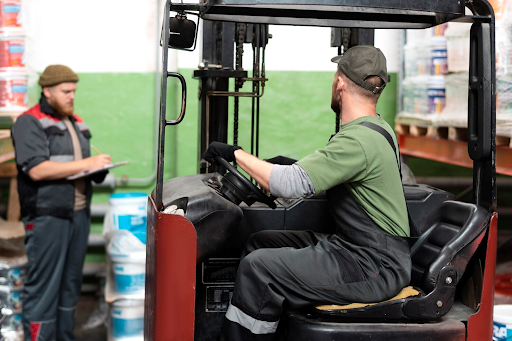
- Forklifts
- Heavy-duty dollies
The choice depends on machinery size, weight distribution, and site conditions.
Precision Handling
Industrial equipment often contains sensitive components that must remain level and stable during lifting. Experienced movers carefully balance loads to avoid:
- Structural damage
- Alignment issues
- Internal mechanical damage
Equipment Transport Process
Securing Machinery For Transit
Once loaded, machinery is secured using:
- Heavy-duty straps and chains
- Anti-slip supports
- Protective padding
- Custom transport frames
Proper securing is essential to prevent movement during transport.
Route Planning
For oversized machinery, transport companies may plan routes that avoid:
- Low bridges
- Weight-restricted roads
- Narrow access areas
- Heavy traffic zones
In some cases, permits or escort vehicles may also be required.
Delivery And Installation
Unloading At The Destination
Upon arrival, industrial movers carefully unload equipment using appropriate lifting systems and safety procedures.
Positioning Machinery
Many projects require machinery to be placed with high precision inside the facility. This may involve:
- Alignment with production systems
- Levelling equipment
- Positioning in confined spaces
- Reassembly of dismantled parts
Reinstallation Support
Some machine movers also assist with:
- Equipment reassembly
- Placement verification
- Coordination with technicians or engineers
This helps businesses resume operations more efficiently.
Safety During Equipment Transport
Workplace Safety Measures
Industrial moving projects involve significant safety risks due to:
- Heavy loads
- Large moving equipment
- Restricted spaces
- Electrical systems
Professional movers follow strict safety protocols to protect workers, machinery, and facilities.
Insurance And Risk Management
Reliable industrial movers typically provide insurance options and risk management procedures to cover potential damage or transport-related issues.
Common Challenges During Machine Moving
Tight Access Areas
Many industrial facilities have narrow doorways or limited manoeuvring space, requiring careful planning and specialised equipment.
Fragile Or Sensitive Machinery
Some machines contain delicate electronics or calibrated systems that require extra protection during transport.
Time-Sensitive Relocations
Businesses often need equipment moved quickly to reduce operational downtime, making scheduling and coordination critical.
Choosing Reliable Industrial Movers
Experience And Industry Knowledge
When selecting machine movers, businesses should consider:
- Experience with similar equipment
- Safety record
- Transport capabilities
- Availability of specialised lifting systems
- Knowledge of industrial relocation procedures
Licensing And Compliance
Professional movers should comply with transport regulations, safety standards, and heavy equipment handling requirements.
Communication And Planning
Clear communication throughout the moving process is important for:
- Scheduling
- Site preparation
- Equipment handling expectations
- Delivery coordination
Benefits Of Hiring Professional Machine Movers
Reduced Risk Of Damage
Specialist movers use proper equipment and handling methods to minimise risk during relocation.
Improved Efficiency
Experienced teams can complete complex equipment moves more efficiently, reducing downtime for businesses.
Safer Working Environment
Professional handling helps reduce workplace accidents and equipment-related injuries during transport.
Importance Of Proper Planning
Equipment relocation is rarely a simple transport task. Successful machine moving projects rely on:
- Detailed preparation
- Skilled operators
- Correct lifting systems
- Coordinated logistics planning
Without proper preparation, delays and costly equipment damage can occur.
Conclusion
Professional industrial movers and experienced machine movers play a critical role in safely relocating heavy and valuable industrial equipment. From site assessments and machinery preparation to lifting, transport, and reinstallation, every stage requires specialised knowledge and equipment.
Businesses can expect careful planning, precision handling, and strict safety procedures throughout the process. By choosing experienced industrial moving professionals, companies can reduce downtime, protect expensive machinery, and ensure smoother equipment transport operations.