How to Diagnose Plumbing Venting Issues When Your Toilet Bubbles
Hearing a strange gurgling sound from your bathroom can be highly frustrating, especially when you are simply washing your hands at the basin. If you live in Queensland and rely on an on-site waste system, you might immediately think of calling for septic tank services in Brisbane to check for a full holding chamber. However, the root cause is often a ventilation issue within your drainage pipework rather than a capacity problem. When your plumbing system cannot breathe, it pulls air from the nearest available source, which is usually your toilet bowl. Understanding how these air pressure differentials affect your household fixtures will help you pinpoint the exact source of the trouble before calling in a professional.
The Science of Drainage and Venting
To understand why your plumbing is misbehaving, you must first understand how water moves through your home’s pipes. Every time you drain water from a basin, tub, or washing machine, that liquid pushes air ahead of it through the waste pipe. At the same time, it pulls air behind it, creating a vacuum effect. To prevent this vacuum from sucking water out of your fixture traps, plumbing systems rely on a network of vent pipes that exit through your roof. These vents supply fresh air to equalise the pressure within the drainage system.
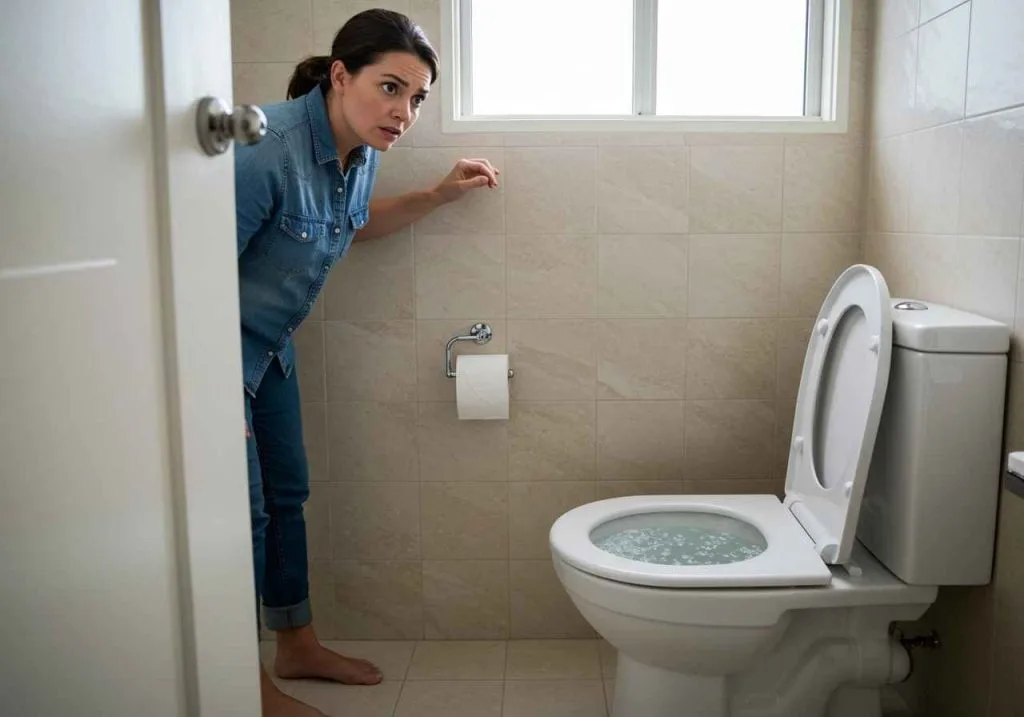
When you ask yourself why my toilet bubbling when I use the sink, the answer almost always lies in a compromised vent stack. If a bird’s nest, leaves, or debris blocks the vent opening on your roof, the rushing water from your basin cannot pull air from the outside. Instead, the system pulls air through the water trap of your toilet, which is the path of least resistance. This sudden rush of air through the toilet trap creates the characteristic bubbling or gurgling sound. Over time, this pressure imbalance can siphon the water completely out of your toilet bowl, allowing sewer gases to enter your living spaces.
Identifying the Common Culprits of Vent Blockages
Identifying the exact cause of a blocked vent requires a methodical approach. In many suburban Queensland homes, mature trees overhang rooflines, dropping leaves, twigs, and bark directly into exposed vent pipes. Birds, possums, and wasps also find these warm, dark pipes highly appealing for nesting sites. During heavy seasonal downpours, this organic material washes further down the vent stack, forming a dense clog that completely seals off the airflow.
Another common issue is a sagged or improperly sloped horizontal vent pipe in the ceiling space. If you notice any of the following signs, your venting system is likely compromised:
- Sewer odours escaping from household drains
- Slow draining basins and showers
- Water levels rising and falling in the toilet bowl
If moisture condenses inside the vent and cannot drain back into the waste line, it pools in the low spot, effectively blocking the passage of air. If you suspect this structural issue, contacting a licensed plumber in Acacia Ridge is the safest way to inspect the roof space and rectify the pipework gradient. These professionals use specialised drain cameras to inspect the internal walls of your vent pipes, locating blockages without having to cut into your plasterboard walls.
Differentiating Vent Issues from Main Line Blockages
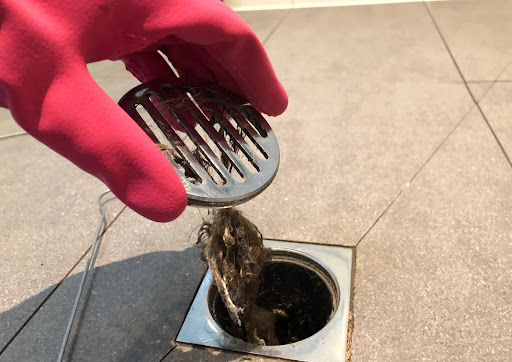
It is crucial to distinguish between a simple air venting issue and a more serious main sewer line blockage. When a vent is blocked, your fixtures will drain relatively quickly, but they will make a loud gurgling sound and cause water levels in other fixtures to fluctuate. Conversely, a main line blockage typically causes water to back up into the lowest drains of your home, such as your shower grate or laundry floor waste.
For properties utilising on-site waste treatment systems, a full septic tank can mimic the symptoms of a blocked vent. If the soil absorption trenches are saturated, wastewater has nowhere to go, causing air bubbles to force their way back up the line. If you notice persistent gurgling alongside slow drainage across all household fixtures, it is wise to book septic tank services in Brisbane to assess your tank’s sludge levels and overall system health. Understanding why my toilet bubbling when I use the sink is often the first step in diagnosing these larger system failures. If your tank is clear and operating correctly, you can narrow your focus back to the physical pipework and ventilation system within the home.
Safe Diagnostic Steps for Homeowners
While climbing onto a roof to inspect a vent stack can be dangerous, there are several safe diagnostic steps you can take from ground level. Start by observing the water level in your toilet bowl while a family member runs the bathroom sink. If you notice the water level bouncing or dropping significantly, you have confirmed a pressure imbalance. This confirms the underlying reason why my toilet bubbling when I use the sink and points directly to a restricted airflow issue.
Next, check the external gully traps around your home’s foundation. If these overflow relief gullies are clear of garden mulch and debris, the blockage is likely higher up in your internal venting network. If you feel comfortable using a ladder and have a flat, safe roof, you can gently clear any visible leaves from the top of the vent stack. However, never attempt to clear deep internal clogs yourself, as you risk cracking old PVC or clay pipes. For safe, efficient resolution, hiring an experienced plumber in Acacia Ridge ensures the job is done in compliance with Queensland plumbing regulations. Professional plumbers possess the high-pressure water jetting equipment and safety harnesses required to clear stubborn obstructions quickly and safely.
Final Thoughts
A bubbling toilet is more than just an annoying sound; it is a clear warning sign that your household plumbing system cannot breathe. Whether the issue stems from a bird’s nest blocking your roof vent stack or a saturated disposal area requiring professional septic tank services in Brisbane, addressing the problem early prevents sewage backups and costly structural damage. By understanding the relationship between air pressure and water flow, you can accurately describe the symptoms to your local plumbing technician. If you are dealing with persistent drainage issues, do not hesitate to contact a qualified plumber in Acacia Ridge to restore balance and safety to your home’s waste system.