Blocked Drains Ashgrove Experts Share Tips to Prevent a Shower Blocked Drain
A blocked shower drain is one of the most common plumbing issues in Australian homes. What starts as slow-draining water can quickly turn into standing water, unpleasant smells, and pipe damage if left untreated. Many homeowners only react once the problem becomes severe, but prevention is often far easier and more affordable than emergency repairs.
Local plumbers handling blocked drains in Ashgrove properties regularly see the same preventable causes behind recurring drainage problems. Hair buildup, soap residue, grease, and poor maintenance are among the biggest contributors. The good news is that a few simple habits can help reduce the risk of major blockages and keep your plumbing system working properly.
Understanding what causes shower drainage issues is the first step toward avoiding expensive repairs and ongoing frustration.
Why Shower Drains Commonly Get Blocked
The average shower drain handles more waste than many people realise. Every shower sends hair, soap particles, oils, dirt, and other debris through the pipes. Over time, these materials collect along the pipe walls and slowly restrict water flow.
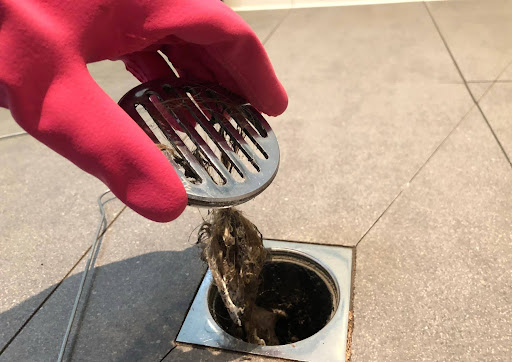
Hair is one of the leading causes of a shower blocked drain because it easily binds with soap residue and forms clumps inside the pipe. Once this buildup starts, it traps additional debris and becomes harder to clear naturally.
Hard water minerals can also contribute to drainage problems. Mineral deposits narrow the inside of pipes and make it easier for waste to stick to the surface. Older plumbing systems are especially vulnerable to this issue.
Ignoring early warning signs can allow a minor blockage to become a larger plumbing problem affecting multiple drains throughout the property.
Signs Your Shower Drain Needs Attention
Most blocked drains develop gradually. Recognising the early signs can help homeowners act before the blockage becomes severe.
Some common warning signs include:
Slow Draining Water
If water pools around your feet during a shower, there is likely a partial blockage restricting flow inside the drain line.
Unpleasant Smells
A foul smell coming from the shower drain may indicate trapped debris or bacterial buildup inside the pipes.
Gurgling Noises
Air trapped within partially blocked pipes often creates bubbling or gurgling sounds when water drains away.
Water Backing Up
Water returning into the shower or nearby drains can signal a more serious blockage deeper within the plumbing system.
When these issues appear repeatedly, professional inspection may be necessary to identify the root cause.
Simple Ways to Prevent Shower Drain Blockages
Preventative maintenance plays a major role in avoiding costly plumbing repairs. Small changes in daily habits can significantly reduce the risk of blocked drains.
Use a Drain Cover
A quality drain cover helps catch hair and larger debris before it enters the pipe system. Cleaning the cover regularly prevents material from building up inside the drain.
Flush the Drain With Hot Water
Pouring hot water down the drain weekly can help dissolve soap residue and remove minor buildup before it hardens.
Avoid Washing Problem Materials Down the Drain
Items like heavy oils, bath salts, thick beauty products, and excessive soap residue can contribute to pipe blockages over time.
Clean the Drain Regularly
Removing visible hair and debris from the drain opening every few days helps prevent larger clogs from developing.
Schedule Plumbing Inspections
Professional drain inspections can detect hidden buildup, tree root intrusion, or damaged pipes before they create major problems.
These preventative measures are especially important in older homes where plumbing systems may already have wear and buildup inside the pipes.
Why DIY Drain Cleaning Sometimes Makes Things Worse
Many homeowners attempt to fix blocked drains using chemical cleaners or basic tools purchased from hardware stores. While some minor clogs may temporarily clear, DIY solutions often fail to remove the full blockage.
Chemical drain cleaners can also damage pipes over time, particularly in older plumbing systems. Harsh chemicals may corrode pipe interiors and weaken joints, leading to leaks or long term structural issues.
Improper use of drain snakes or plungers can push the blockage deeper into the system instead of removing it completely.
Professional plumbers use specialised equipment such as high pressure water jetting and drain cameras to accurately locate and clear blockages without damaging the pipes. This approach addresses the actual cause rather than simply treating the symptoms.
The Importance of Acting Early
One of the biggest mistakes homeowners make is waiting too long before dealing with drainage issues. A slow draining shower may seem minor at first, but partial blockages often continue growing over time.
As debris accumulates, pressure inside the pipes can increase and affect nearby plumbing fixtures. In severe cases, untreated blockages may lead to pipe damage, water leaks, mould growth, or wastewater overflow.
Addressing small drainage issues early can help avoid larger repair costs and minimise disruption inside the home.
Homeowners experiencing repeated drainage problems should consider a professional assessment to determine whether there are underlying issues within the plumbing system.
Keeping Your Shower Drain Running Properly
Preventing a shower blocked drain does not require complicated maintenance routines. Consistent cleaning habits, proper waste disposal, and early attention to warning signs can make a significant difference in keeping drains clear.
Many of the drainage issues seen by professionals handling blocked drains in Ashgrove homes could be avoided with simple preventative care. Taking action before a blockage becomes severe helps protect your plumbing system and reduces the likelihood of unexpected repairs.
A well-maintained drainage system not only improves everyday convenience but also helps extend the life of your household plumbing over the long term.