Choosing the Right Transport Method for European Vehicles to Dubai
Selecting how to move a vehicle across continents is a strategic decision rather than a simple booking form. For owners evaluating car shipping from Europe to Dubai, the transport method shapes cost exposure, risk profile, scheduling certainty, and even the condition of the vehicle on arrival. Treating the choice as a procurement exercise—balancing protection, speed, and budget—produces better outcomes than defaulting to the cheapest quote or the first suggestion.
What You’re Optimizing For
Before comparing modes, decide what matters most: protection for a high-value or rare car, fastest possible handover in Dubai, lowest total landed cost, or minimal administrative effort. A family relocating a daily driver may prioritize predictability and price; a dealer moving multiple units might optimize per-vehicle economics; a collector shipping a vintage coupe will likely privilege environmental control and handling discipline above all else.
Roll-On/Roll-Off (RoRo) in Practical Terms
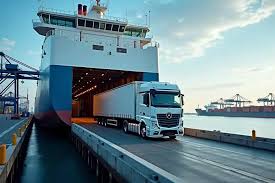
RoRo is engineered for throughput. Vehicles are driven onto purpose-built decks, secured to lash points, and driven off at destination. The upside: frequent sailings from major European ports, standardized handling, and efficient pricing. The trade-offs include exposure to ambient maritime conditions and tighter restrictions on in-car contents. RoRo suits stock-height, roadworthy vehicles that do not require bespoke cradling or climate considerations.
Container Shipping: Shared vs. Dedicated
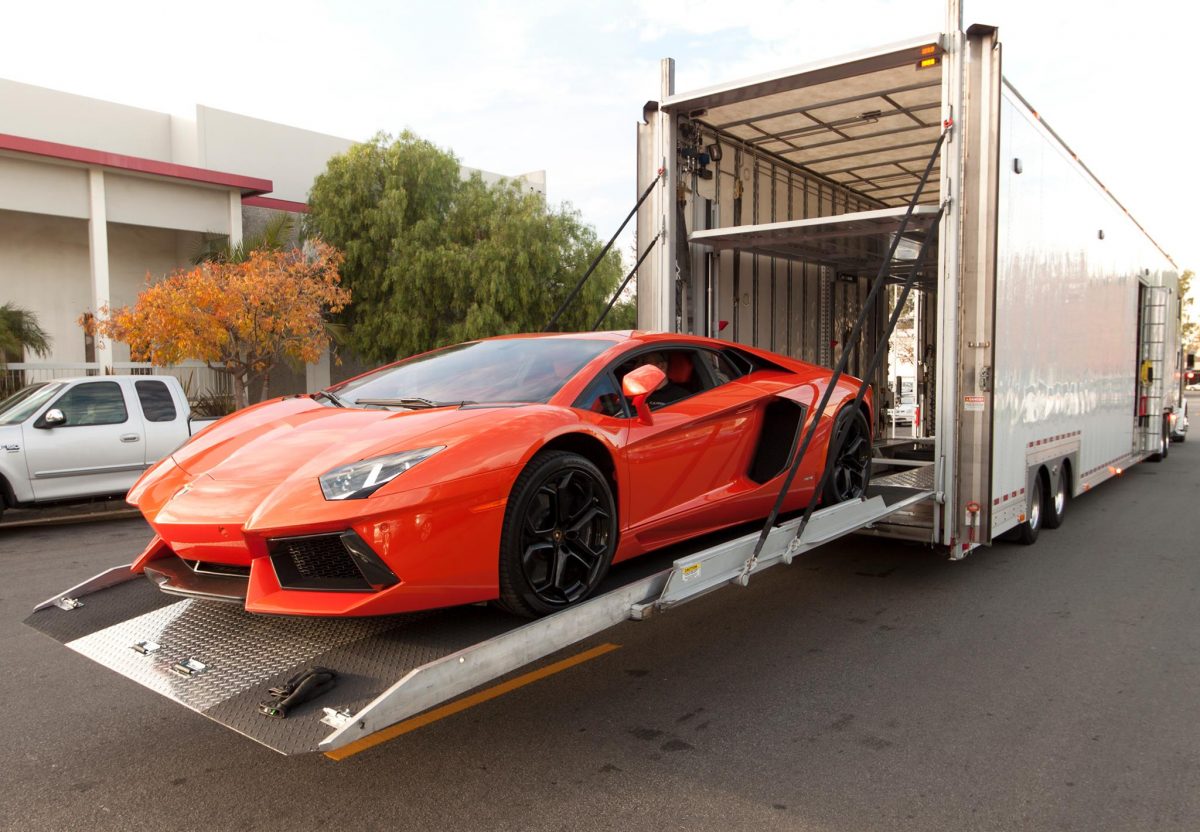
Containerization elevates protection and flexibility. In a shared container, one or more vehicles (sometimes mixed with boxed goods subject to carrier rules) travel together, spreading costs but tying departure to consolidation schedules. In a dedicated 20- or 40-foot container, the car benefits from isolation, controlled blocking and bracing, and simpler chain-of-custody. Container doors create a physical tamper barrier; internal strapping systems and wheel chocks reduce micro-movements; desiccant packs mitigate humidity swings during the Suez transit.
Hybrid and Multimodal Options
Some lanes enable hybrid setups: inland trucking to a European port, container sea leg to Jebel Ali, and final-mile covered transport. In rare circumstances—launch events, film productions, or museum loans—air freight is justified. It compresses a multi-week ocean schedule into days, while demanding rigorous hazardous-goods compliance (battery state, fuel volume, degassing documentation). For most private shippers, air is a contingency, not a baseline.
Schedule Engineering and Seasonality
Sailing frequency, port congestion, and canal transits shape timelines. Summer yachting movements and year-end retail surges can crowd capacity. If your handover date in Dubai is fixed (e.g., tenancy start), book backward from that date and add conservative buffers for customs, inspection slots, and port handling windows. Ask providers for a “latest safe departure” and a “risk-adjusted earliest arrival” rather than a single optimistic ETA.
Risk Controls That Matter
Good providers specify how the vehicle is immobilized (gear selection, park brake, wheel chocks), what contact points are permitted for straps (frame-approved vs. suspension components), and how steering is centered and secured. For containers, insist on photographic evidence of blocking and bracing before doors are sealed, and record the container number and seal ID on your paperwork. Request a humidity mitigation plan if the car has wood trim, delicate leather, or hygroscopic finishes.
Documentation and Data Hygiene
Mode choice affects documentation flow. RoRo bookings tend to be standardized; container bookings add steps such as verified gross mass and potentially earlier cut-offs. In every case, prepare clean copies of title/ownership documents and export permissions from the European origin. Wipe personal data from infotainment systems, remove toll tags, and disable or anonymize telematics where possible to avoid unintended cross-border data transmission.
A Decision Workflow That Works
Define the vehicle profile (value, modifications, ground clearance), your priority (speed, protection, cost), and non-negotiables (no exterior exposure, no shared handling). Shortlist providers offering both RoRo and container to obtain apples-to-apples comparisons. Compare not just base freight but packing, port charges, and last-mile delivery. Finally, favor proposals that show a handling plan in writing—pictures of prior loadouts speak louder than generic assurances.
The Bottom Line
There is no universally “best” method—only the best method for your constraints. If you frame the decision around risk appetite, schedule tolerance, and vehicle sensitivity, the transport mode effectively chooses itself. That discipline, more than any marketing promise, is what gets the car to Dubai in the condition and timeframe you expect.