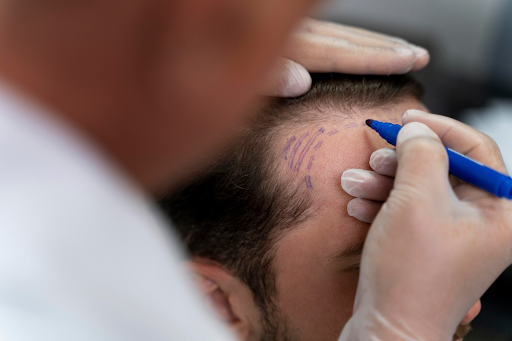
Tips for Choosing Men’s Hair Transplant Clinics for Scar Treatment
Hair loss caused by scarring can be difficult to manage, especially when it affects visible areas of the scalp or beard. For many men, scar-related hair loss develops after injuries, surgeries, burns, or previous hair transplant procedures. Modern hair restoration techniques now provide options that may help improve the appearance of these areas through targeted transplantation.
When researching treatment, many patients look for clinics experienced in both hair transplant for scar procedures and general men’s hair transplant services. Choosing the right clinic is important because scar tissue requires specialised assessment and treatment planning.
This article explains what to consider when selecting a men’s hair transplant clinic for scar treatment and what patients should know before beginning the process.
Understanding Scar-Related Hair Loss
Scar tissue forms differently from normal skin. In many cases, scars affect blood circulation and damage hair follicles, preventing natural hair growth in the area.
Common Causes of Scar Hair Loss
Men may experience scar-related hair loss because of:
- Previous surgeries
- Injuries or accidents
- Burns
- Scalp trauma
- Older hair transplant procedures
The size, depth, and condition of the scar often influence treatment options.
What Is a Hair Transplant for Scar Treatment?
A hair transplant for scar treatment involves moving healthy hair follicles from a donor area into scarred tissue where hair no longer grows naturally.
How the Procedure Works
The process usually includes:
- Assessing the scar and donor area
- Extracting healthy follicles from the scalp or beard
- Implanting follicles carefully into the scar tissue
The goal is to improve coverage and reduce the visibility of the scar.
Why Scar Treatment Requires Experience
Scar tissue behaves differently from normal scalp skin because:
- Blood supply may be reduced
- Tissue thickness may vary
- Graft survival rates can differ
This is why choosing an experienced clinic is important.
Look for Clinics Experienced in Scar Hair Transplants
Not every hair transplant clinic specialises in scar treatment.
Why Specialised Experience Matters
Clinics experienced with scar restoration are more likely to understand:
- Appropriate graft density for scar tissue
- Placement techniques for natural appearance
- Limitations of transplanting into scars
- Methods for improving graft survival
Scar treatment often requires a more customised approach than standard hair restoration procedures.
Questions to Ask During Consultation
Before choosing a clinic, consider asking:
- How many scar transplant procedures have they performed?
- Do they treat both scalp and beard scars?
- What techniques do they recommend for scar tissue?
These questions help determine the clinic’s level of experience.
Check Whether the Clinic Offers Modern Techniques
Modern transplantation methods are generally preferred for scar treatment because they are less invasive and allow more precise placement.
FUE for Scar Treatment
FUE (Follicular Unit Extraction) is commonly used for scar restoration.
Why FUE Is Popular
FUE involves extracting individual hair follicles rather than removing a strip of scalp. Benefits may include:
- Smaller extraction marks
- More precise graft placement
- Reduced visible scarring in donor areas
This method is often suitable for men seeking more discreet treatment.
DHI and Precision Implantation
Some clinics also use DHI (Direct Hair Implantation) techniques.
Benefits of Precise Placement
DHI allows practitioners to control:
- Hair angle
- Direction of growth
- Implant depth
This can help transplanted hair blend more naturally around scar tissue.
Review Before-and-After Results Carefully
One of the best ways to assess a clinic’s experience is by reviewing previous patient results.
What to Look For
Focus on:
- Results involving similar scar types
- Natural hair direction and density
- Consistency across different cases
Reliable clinics should provide realistic examples rather than heavily edited marketing images.
Understand That Scar Tissue Can Affect Results
Hair transplantation into scar tissue can be effective, but results may differ from standard transplants.
Factors That Influence Success
Results depend on:
- Blood flow in the scarred area
- Scar thickness and flexibility
- Donor hair quality
- Overall scalp health
Some scars may require multiple sessions to achieve better coverage.
Importance of a Proper Consultation

A detailed consultation is essential before proceeding with treatment.
What the Practitioner Should Assess
During consultation, the clinic should evaluate:
- Scar condition and size
- Hair loss pattern
- Donor area availability
- Expected graft survival
A thorough assessment helps create a realistic treatment plan.
Choosing a Clinic That Offers Personalised Treatment Plans
Every scar is different, so treatment should be customised rather than standardised.
Personalised Planning May Include
- Adjusting graft density based on blood supply
- Combining transplantation with scalp treatments
- Planning staged procedures if needed
Clinics that personalise treatment often provide more realistic recommendations.
Ask About Additional Hair Restoration Treatments
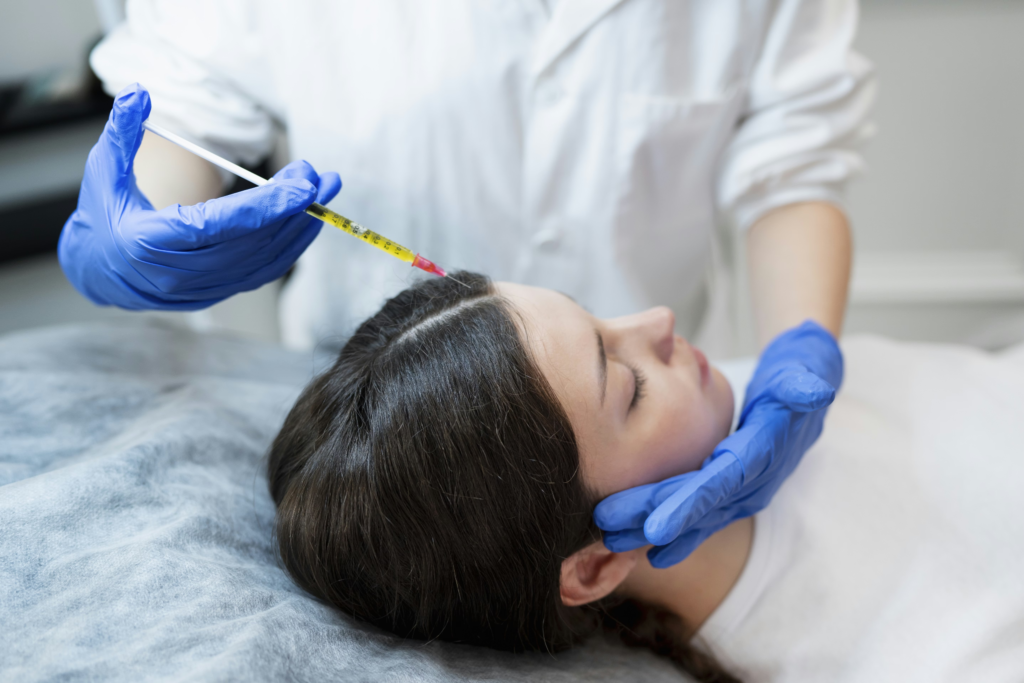
Some clinics combine transplantation with supportive therapies.
Common Additional Treatments
These may include:
- PRP (Platelet-Rich Plasma) therapy
- Growth factor treatments
- Scalp micropigmentation
Supportive treatments may help improve scalp condition and overall appearance.
Understand Recovery and Healing Expectations
Recovery after scar hair transplantation varies depending on the treatment area and individual healing response.
What Patients May Experience
After the procedure:
- Mild redness and swelling are common
- Small scabs may form around graft sites
- Temporary shedding may occur before regrowth begins
Healing usually improves gradually over time.
Hair Growth Timeline
Hair restoration results are not immediate.
Typical Growth Stages
Patients may notice:
- Early shedding during the first few weeks
- New growth beginning after several months
- Fuller results developing within 9 to 12 months
Patience is important during the growth process.
Check the Clinic’s Aftercare Support
Good aftercare can influence both healing and long-term results.
What Aftercare Should Include
A quality clinic should provide:
- Clear washing and care instructions
- Follow-up appointments
- Advice about activity restrictions
- Guidance on protecting transplanted grafts
Ongoing support helps monitor recovery and address concerns early.
Avoid Choosing a Clinic Based on Price Alone
While cost is an important factor, choosing the cheapest clinic may increase risks.
Why Quality Matters
Experienced practitioners often provide:
- Better planning
- Safer techniques
- More natural-looking results
- Stronger aftercare support
Poorly performed procedures may create additional scarring or unnatural growth patterns.
Managing Expectations About Scar Coverage
Hair transplantation can improve the appearance of scars, but complete concealment is not always possible.
Realistic Goals
Treatment may help:
- Reduce scar visibility
- Improve hair density in affected areas
- Create a more even appearance
A qualified clinic will explain what results are realistically achievable.
Conclusion
Choosing the right clinic for hair transplant for scar treatment requires careful research and realistic expectations. Scar tissue presents different challenges compared to standard hair restoration, making experience and specialised techniques especially important.
Men considering hair restoration for scars should look for clinics with proven experience, personalised treatment plans, and modern methods such as FUE or DHI. By selecting a qualified provider and understanding the recovery process, patients can make more informed decisions about mens hair transplant procedures for scar-related hair loss.